6 Best Knots for Fishing Line for Beginners (2026)
Compare six of the best knots for fishing line, from fishing knot books to pocket guides and tying tools, with pros, cons and tips for beginners.

 By Ava Donovan
Updated November 2026
Knots for fishing line are the one skill every angler needs before a first cast, because a weak or poorly tied connection is the most common reason a fish gets away. Beginners usually want a clear way to learn the handful of knots that matter, whether that means joining line to a hook, joining two lines together, or attaching a leader. The picks below were selected by looking at the type of guidance each resource offers, how well it covers beginner-friendly knots, how clearly the instructions are presented, how portable the format is for use on the water, and the general patterns owners tend to describe in their feedback. None of these were tested by us; they are a research-based shortlist.
Our top picks at a glance
- 1TOP CHOICEBest overallTying Strong Fishing KnotsView on Amazon
- 2
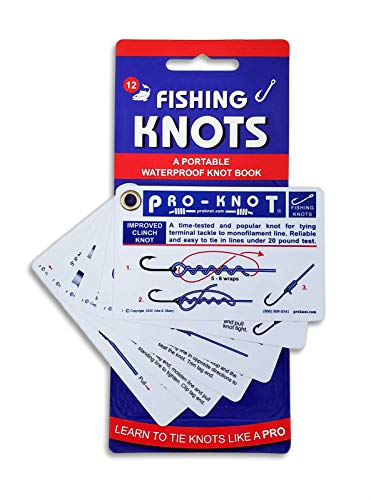 TOP CHOICEBest for step-by-step visualsPro-Knot Fishing Knots – Waterproof Knot Cards With 12 Best Fishing KnotsView on Amazon
- 3
 TOP CHOICEBest for practical everyday fishingPractical Fishing KnotsView on Amazon
- 4
 Best for advanced anglersComplete Book of Fishing Knots, Leaders, and Lines: How to Tie The PerView on Amazon
- 5
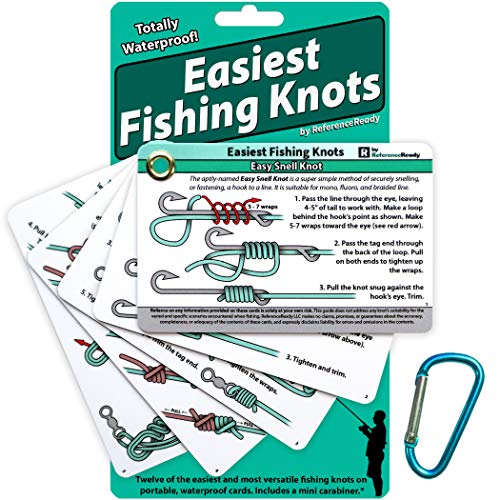 Best budget pickReferenceReady Easiest Fishing Knots Pocket Guide for BeginnersView on Amazon
- 6
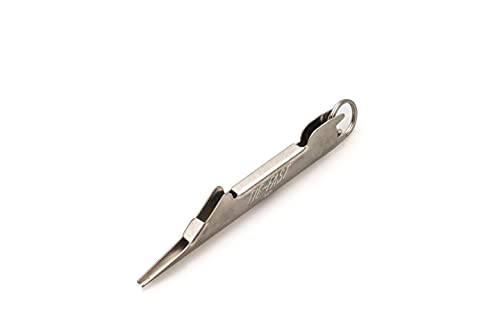 Best tool for quick line-to-hook knotsTIE-FAST Fishing Line Knot Tyer, SilverView on Amazon
Our Top Picks
Quick Comparison
| Product | Best for | Key feature |
|---|---|---|
| Tying Strong Fishing Knots | Anglers who want one complete reference | Broad coverage of common knots |
| Pro-Knot Fishing Knots Waterproof Knot Cards | Visual learners and quick reference on the water | Waterproof cards with 12 knots |
| Practical Fishing Knots | Everyday freshwater and saltwater fishing | Focus on knots anglers use most |
| Complete Book of Fishing Knots, Leaders, and Lines | Anglers who want to go deeper | Covers leaders and line-to-line knots |
| ReferenceReady Easiest Fishing Knots Pocket Guide | Beginners on a tight budget | Pocket format with 12 simple knots |
| TIE-FAST Fishing Line Knot Tyer | Quickly tying line-to-hook knots | Mechanical tool for consistent loops |
Tying Strong Fishing Knots
Tying Strong Fishing Knots
Best for: Anglers who want one complete reference covering the knots they will use most.
This book suits anglers who prefer to learn at home and then carry the knowledge out to the water. It is a good fit for someone who wants to understand why each knot works, not just memorize a sequence of turns.
Key specs
- Printed book format
- Covers standard line-to-hook, line-to-line and leader knots
- Written for freshwater and saltwater anglers
Pros
- Broad coverage makes it a useful long-term reference
- Explanations help anglers understand knot strength concepts
- Works well alongside practice with real line
Cons
- Book format is less convenient to carry than a card or pocket guide
- Beginners may want more visuals for certain multi-step knots
Bottom line: A strong choice for anglers who want a single, thorough book they can return to over several seasons.
View on AmazonPro-Knot Fishing Knots – Waterproof Knot Cards With 12 Best Fishing Knots
Pro-Knot Fishing Knots – Waterproof Knot Cards With 12 Best Fishing Knots | Easy To Follow Knot Tying Instructions | Fisherman Gift Idea
Best for: Visual learners and quick reference on the water.
Anglers who learn best by following pictures will find this format easy to use. The card layout also suits anyone who wants a reference clipped to a tackle box or tied to a rod.
Key specs
- Waterproof knot cards
- Includes 12 fishing knots
- Step-by-step tying instructions
Pros
- Waterproof material holds up to splashes and humidity
- Compact enough to keep in a pocket or tackle bag
- Visual steps make it easy to follow mid-trip
Cons
- Covers fewer knots than a full book
- Cards can be hard to flip quickly with wet hands
Bottom line: Best for beginners who want quick visual instructions they can keep right at the water’s edge.
View on AmazonPractical Fishing Knots
Practical Fishing Knots
Best for: Everyday freshwater and saltwater fishing.
This title suits anglers who want a focused set of knots that cover most situations without wading through specialty techniques. It is a practical starting point for someone fishing regularly from shore or a boat.
Key specs
- Printed book format
- Focus on frequently used fishing knots
- Covers hook, swivel and line-joining knots
Pros
- Concise selection keeps learning manageable
- Practical framing matches real fishing situations
- Good companion to hands-on practice
Cons
- Less depth for anglers who fish highly specialized techniques
- Book format requires a bit more planning to carry on trips
Bottom line: A sensible pick for anglers who want practical knots without unnecessary complexity.
View on AmazonComplete Book of Fishing Knots, Leaders, and Lines: How to Tie The Perfect Knot for Every Fishing Situation
Complete Book of Fishing Knots, Leaders, and Lines: How to Tie The Perfect Knot for Every Fishing Situation
Best for: Advanced anglers who want to go deeper into leaders and line-to-line connections.
Anglers who already know the basics and want to match the right knot to specific line types, leaders or target species will get the most value here. It is more of a deep reference than a beginner’s first read.
Key specs
- Printed book format
- Covers fishing knots, leaders and lines
- Organized by fishing situation
Pros
- Extensive coverage of leader and line-to-line knots
- Organized by situation, which helps when choosing a knot
- Useful for anglers working with different line types
Cons
- Can feel dense for absolute beginners
- Larger format is less handy than a pocket guide
Bottom line: Ideal once you have mastered the basics and want a comprehensive reference for specialized setups.
View on AmazonReferenceReady Easiest Fishing Knots Pocket Guide for Beginners
ReferenceReady Easiest Fishing Knots Pocket Guide for Beginners | Waterproof pocket fisherman guide on how to tie the 12 simplest knots. Great fishing gadget & fishing gift
Best for: Beginners on a tight budget who want the simplest knots first.
This pocket guide focuses on the twelve simplest knots, which makes it a low-pressure starting point. It is also a practical gift idea for anglers new to the sport.
Key specs
- Pocket-sized guide
- Covers 12 simple knots
- Designed for beginners
Pros
- Fits easily in a pocket or small tackle bag
- Focused selection avoids overwhelming new anglers
- Budget-friendly way to build a knot reference
Cons
- Limited to simple knots, so advanced rigs need another resource
- Small format means less detail per knot
Bottom line: A good first step for absolute beginners who want to learn the essentials without a large investment of time.
View on AmazonTIE-FAST Fishing Line Knot Tyer, Silver
TIE-FAST Fishing Line Knot Tyer, Silver
Best for: Quickly tying line-to-hook knots with consistent results.
Anglers who struggle with the loop and wrap steps of a clinch-style knot may appreciate a mechanical tool. It is aimed at people who want a repeatable method rather than memorizing every turn.
Key specs
- Hand-held knot tying tool
- Designed for fishing line-to-hook connections
- Silver finish
Pros
- Helps produce consistent loops with less guesswork
- Small enough to keep in a tackle box
- Useful for anglers with limited dexterity or poor eyesight at the hook eye
Cons
- Does not replace learning knots, especially for line-to-line connections
- Some anglers find it takes practice to use smoothly
Bottom line: Worth considering for anglers who want an easier way to tie reliable hook knots while they build skill.
View on AmazonBuying Guide
Knot Type and What You Fish For
Start by listing the knots you actually need. Most freshwater anglers rely on a line-to-hook knot, a line-to-line knot for joining braid and leader, and a knot for tying a swivel. Saltwater anglers often need stronger knots for heavier line and larger fish. Match the resource to those needs before buying.
Good picks for this: Practical Fishing Knots, Tying Strong Fishing Knots
Format: Book, Card or Pocket Guide
Books offer depth and explanations, cards offer quick visual steps, and pocket guides offer portability. If you tie knots at home, a book is practical. If you need a reference on a dock or boat, a waterproof card or pocket guide is more useful.
Good picks for this: Pro-Knot Fishing Knots Waterproof Knot Cards, ReferenceReady Easiest Fishing Knots Pocket Guide
Level of Detail
A beginner benefits from a short list of reliable knots with clear steps. An experienced angler may want guidance on leaders, specialty connections and different line types. Choosing a resource that is too advanced can make learning harder than it needs to be.
Good picks for this: ReferenceReady Easiest Fishing Knots Pocket Guide, Complete Book of Fishing Knots, Leaders, and Lines
Visual Instructions
Look for step-by-step illustrations or photographs. Diagrams that show each turn and pull direction help you avoid common errors such as crossed wraps or a loose final tuck. Visuals are especially helpful for multi-step knots.
Good picks for this: Pro-Knot Fishing Knots Waterproof Knot Cards, Tying Strong Fishing Knots
Portability and Durability
Fishing environments are hard on paper. Waterproof cards and laminated guides hold up better than standard printed pages. If you plan to keep a reference in your tackle bag, favor coated or synthetic materials and a size that fits easily.
Good picks for this: ReferenceReady Easiest Fishing Knots Pocket Guide, Pro-Knot Fishing Knots Waterproof Knot Cards
Tools That Assist Tying
A knot tying tool can make certain knots more consistent, especially line-to-hook connections. Tools do not replace understanding the knot, but they can reduce frustration while you build skill. Check that the tool suits the line diameter you use.
Good picks for this: TIE-FAST Fishing Line Knot Tyer, Practical Fishing Knots
Line Type and Knot Compatibility
Monofilament, fluorocarbon and braided lines behave differently. Some knots slip on slick braid, while others weaken on thin fluorocarbon if not moistened and tightened properly. Consult the knot guide’s notes on line type and always lubricate before cinching down.
Good picks for this: Complete Book of Fishing Knots, Leaders, and Lines, Tying Strong Fishing Knots
FAQ
What is the most important knot for fishing line?
For most anglers, the line-to-hook knot is the most important, because it connects you to the fish. A reliable clinch-style knot works for many freshwater situations. Learning one knot well and practicing it until you can tie it in the dark is often more useful than knowing ten knots poorly.
Do I need different knots for monofilament and braid?
Often, yes. Braided line is slick and can slip through some knots, so anglers commonly use specific connections such as a double-based knot when joining braid to a leader. Monofilament and fluorocarbon usually handle a wider range of knots, though they still benefit from wetting and careful cinching.
How do I test whether a knot is secure?
Before fishing, tug the knot firmly by hand and inspect the coils for gaps or crossed wraps. Trim tag ends to a short length, typically about one-quarter inch, so they do not catch on guides or tangle. A secure knot should not slip or loosen under steady pressure.
Should I moisten fishing line before tightening a knot?
Yes. Friction creates heat that can weaken line, especially monofilament and fluorocarbon. Wetting the line with saliva or water and cinching slowly helps the coils seat evenly. Many knot guides recommend this step, and it is a simple habit to build.
How often should I retie my fishing knots?
Retie after you catch a fish that has damaged the line, after a snag, or whenever the line looks nicked or frayed. Knots can weaken with abrasion over time, so checking them regularly is a good habit. Manufacturers of many fishing lines advise replacing line that shows wear.
Are knot guides enough to learn fishing knots?
Guides provide the steps, but practice builds reliability. Tie each knot repeatedly at home using cord or spare line, then test it. If you have questions about a specific rig or safety concern on the water, a local fishing shop or experienced angler can offer hands-on guidance.
What is a good first knot for a beginner?
A simple clinch-style knot is widely taught as a first knot because it is easy to learn and works for many hooks and lures. Start with that, master it, and then expand to line-to-line and leader knots as your fishing becomes more varied.
Conclusion
For a single comprehensive reference, Tying Strong Fishing Knots is a sound choice, while Pro-Knot Fishing Knots Waterproof Knot Cards suits anglers who learn visually and want something to keep dry on the water. Practical Fishing Knots fits everyday fishing, and Complete Book of Fishing Knots, Leaders, and Lines is better for anglers ready to tackle leaders and specialty connections. Beginners on a budget may start with the ReferenceReady pocket guide, and anglers who struggle with hook knots might find the TIE-FAST tool helpful. Whichever you choose, practice each knot until it becomes automatic. If you are just starting out, you may also find Tie Fishing Line Knot: 5 Reliable Knots for Beginners (Step-by-Step) and Knot Tying Fishing Line: 5 Essential Knots Every Beginner Should Know useful companions, and Palomar Knot Fishing Line: 8 Best Lines to Tie It With (2026) is worth reading once you start experimenting with different line types.
Sources
- Fishing regulations, species information and responsible angling practices for saltwater and coastal waters (noaa.gov)
- Freshwater fishing guidance, conservation information and recreational fishing resources (fws.gov)
- Background on freshwater fish habitats and aquatic ecosystems relevant to anglers (usgs.gov)
Related reading
- Improved Clinch Knot Fishing Line: Step-by-Step Tying Guide for Beginners
- Double Uni Knot Fishing Line: 5 Best Lines to Tie It With (2026)
- Why Does My Long Line Fishing Line Tangle? Causes and Fixes

About Ava Donovan
Ava has been writing about fishing & archery gear for beginners for this site, with an eye on clear explanations, honest trade-offs and options for different needs and budgets.
About the author
Ava Donovan writes reviews and buying guides for Anglers and Archery.