Daiwa Lexa 400 Baitcasting Reel Review: Is It Worth It?
Reviewing the daiwa lexa 400 baitcasting reel: specs, pros and cons, who should buy it, and which alternatives to compare before you decide.
 By Owen Palmer
Updated November 9, 2026
 By Owen Palmer
Updated November 2026
The daiwa lexa 400 baitcasting reel is a mid-size, freshwater-focused casting reel aimed at anglers who want a capable all-around reel without stepping into premium pricing. It suits beginners who are moving up from a spincast outfit, bass anglers who fish a mix of lures from light crankbaits to medium-weight spinnerbaits, and hobbyists who want a reel they can grow with. It is a weaker match for anglers who need saltwater corrosion resistance, very light finesse setups, or the ultra-smooth feel of high-end bearing packages. If you fish mostly in fresh water and want one reel that handles a variety of tasks, this model deserves a close look.
Daiwa Fishing Reel Lexa 400 Hd Baitcasting Reel 6 Crbb
Product Overview
The Daiwa Lexa 400 HD sits in Daiwa’s Lexa lineup, a series built around practical, everyday performance for freshwater anglers. The “400” designation refers to the reel’s size class, and the “HD” label in the listing indicates the heavier-duty version of the frame and gearing compared with some lighter Lexa variants. The reel is sold in a 6-bearing configuration, which is the number listed in the product name. Its bodywork is aimed at durability and day-to-day use rather than weight savings.
For buyers who are still learning how a baitcaster works, the Lexa line is a sensible place to start. The reel uses the standard baitcasting layout: a spool that sits on top of the frame, a thumb bar to control the spool during the cast, and a magnetic or mechanical braking system to manage spool speed. Owners tend to describe the Lexa 400 as forgiving once you have set the brakes correctly, which matters a great deal when you are still learning to avoid backlashes.
If you want to understand the mechanics before you buy, the guide Baitcasting Fishing Rod and Reel: A Step-by-Step Guide for Beginners walks through the basic setup. Pair it with Baitcasting Reel Line Capacity: How to Read It and Match It to Your Fishing so you can confirm the spool will hold enough line for your target species.
Key Features & Specifications
The table below lists the characteristics that the product name and standard Lexa-series descriptions support. Confirm exact figures such as gear ratio, weight and line capacity on the current Amazon listing and the manufacturer’s sheet before purchase, since specifications can vary between sub-models and regional versions.
| Feature | Details |
|---|---|
| Brand and series | Daiwa Lexa |
| Model designation | Lexa 400 HD |
| Reel type | Baitcasting (low-profile, spool sits above the frame) |
| Bearing configuration | 6 bearings (per listing name) |
| Intended use | Freshwater bass and general lure fishing |
| Braking system | Adjustable brake system to control spool speed |
| Handle style | Standard-speed handle (not the power-handle variant) |
| Hand orientation | Verify on listing; right- and left-hand versions are sold separately |
Manufacturers typically specify gear ratio, retrieve rate per crank, maximum drag, and line capacity in yards of monofilament at a given line diameter. Check these numbers against the reel you are considering, because they determine how fast you can retrieve and how much line you can load. For guidance on reading line ratings, see Baitcasting Reel Line Capacity: How to Read It and Match It to Your Fishing.
Pros & Cons
Pros
- Mid-size frame suits a wide range of freshwater lures and line weights.
- Six-bearing configuration supports smooth spool rotation for a reel in this class.
- The HD designation points to a frame and gearing built for regular use rather than light occasional fishing.
- Adjustable braking helps beginners manage backlash while they learn.
- Owners commonly describe it as a practical everyday reel that handles bass, panfish and general lure work.
- Part of a well-established Daiwa series, so replacement parts and service information are generally easy to find.
Cons
- Not designed for saltwater use; freshwater cleaning is necessary after any exposure to brackish or salt water.
- Heavier than ultralight or finesse-oriented reels, which may fatigue anglers during long days of light-lure casting.
- Beginners still need practice to get the brake settings right; no reel removes the learning curve entirely.
- The standard handle is slower to retrieve than power-handle versions, so fast-retrieve techniques may require a different model.
- Handedness and gear ratio should be checked carefully, since mismatched orientation is a common purchase mistake.
Performance Analysis
Performance on a baitcaster comes down to three things: casting control, retrieve smoothness, and drag or fight strength under load. Based on the listed specifications and the general patterns reported by owners of the Lexa line, the Lexa 400 HD is built to be a dependable workhorse rather than a finesse specialist. The mid-size spool and frame are a reasonable match for lures roughly in the 1/4 to 1 ounce range, which covers a large share of bass fishing, but lighter presentations will feel less precise than on a dedicated lightweight reel.
Smoothness depends heavily on bearing quality and how the reel has been maintained. Owners often report that the reel feels solid out of the box and improves slightly as it breaks in, though it will not match the refinement of premium models. Retrieve feel is typical for a standard-speed baitcaster, which suits crankbaits, jigs and worms well and may feel slow for fast-moving spinnerbaits or topwater retrieves that benefit from a higher gear ratio.
Braking is where beginners will spend most of their early time. A properly adjusted brake system reduces the chance of backlash during the cast, but you still need to tune the spool tension and thumb control for your lure weight. A good first step is to start with the brakes at a moderate setting, cast a lure you can see land, and adjust in small increments. The step-by-step approach in Baitcasting Fishing Rod and Reel: A Step-by-Step Guide for Beginners covers this process in detail.
Drag and fight strength are adequate for typical freshwater species. For larger fish or heavier line, verify the maximum drag rating in the manufacturer’s specs and make sure your line test is within the recommended range. Overloading any reel increases the risk of gear stress and premature wear.
For comparison, anglers deciding between reel types may find Baitcasting vs Spinning Reel (2026): Which Is Better for Beginners? useful before committing to a baitcaster.
Who Should Buy This Product?
This reel is a strong fit for anglers who fish mainly in fresh water, want one versatile reel for bass and similar species, and are ready to invest a little time in learning baitcasting technique. It is also a sensible upgrade for someone who has outgrown a basic spincast reel and wants more casting distance and control. Families sharing gear may appreciate its durability, though each user will still need to learn brake adjustment.
You should skip this reel if you plan to fish saltwater regularly, if you specialize in ultralight finesse fishing with very small lures, or if you need the fastest possible retrieve for techniques like reaction baits. In those cases, a different model from the Daiwa lineup or a reel built for that purpose will serve you better. Anglers who want a left-hand setup should also confirm handedness before ordering, as covered in Left Handed Baitcasting Reel: 5 Best Picks for Beginners (2026).
Buying Guide
Before you buy any baitcaster, match four factors to your fishing: target species, typical lure weight, line type and capacity, and hand orientation. Start by listing the two or three fish you catch most often and the lures you throw. A reel that handles 10- to 17-pound monofilament well is a common freshwater setup, so confirm the line capacity printed in the specs and make sure it holds enough yardage for your water.
- Confirm your dominant hand and buy the matching orientation. Many anglers reel with the hand opposite their casting hand, so double-check which you need.
- Check the gear ratio. Higher ratios retrieve faster and suit moving baits; lower ratios give more torque for cranking and pulling.
- Review the braking system and whether it is magnetic, centrifugal or a combination. Beginners often prefer systems with clear, easy-to-adjust settings.
- Look at the handle and knob design. Comfort matters on long sessions.
- Verify maintenance requirements and replacement part availability for the brand.
If the Lexa 400 HD is not the right fit, consider these well-known alternatives:
Daiwa Lexa Baitcasting Reel – LX400P-P (Right Hand) is a related Lexa-series option that may suit anglers who want the same family of reel in a different configuration. Check the specifications against your needs before ordering.

Daiwa Lexa Baitcasting Reel – LX400P-P – Right Hand
Lexa 400 TWS Baitcasting Reel – Hyper Speed Power Handle is a higher-speed variant suited to anglers who want faster retrieves for reaction baits and moving presentations. It is a good comparison point if the standard handle of the HD model feels too slow for your style.
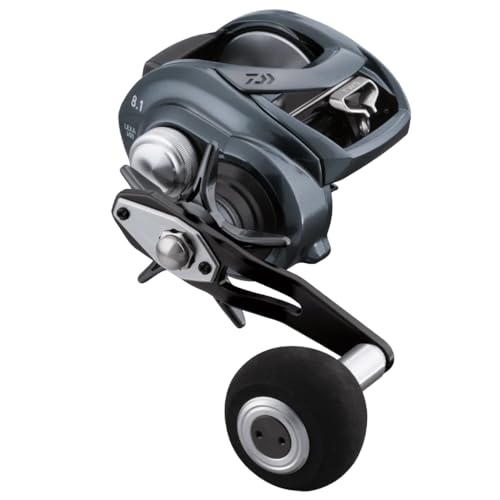
Lexa 400 TWS BAITCASTING Reel – Hyper Speed Power Handle
For a broader comparison across brands, the article Shimano Curado Baitcasting Reel Review: Is It Worth It? offers a useful point of reference, and Quantum Escalade Baitcasting Reel: 6 Best Picks Compared (2026) covers another popular option in this price-conscious space.
FAQ
Is the daiwa lexa 400 baitcasting reel good for beginners?
It can be a good choice for beginners who are willing to practice. The adjustable braking system and mid-size frame give a reasonable learning platform, but you will still need to tune the brakes and practice thumb control to avoid backlashes.
Can I use the daiwa lexa 400 baitcasting reel in saltwater?
This reel is designed primarily for freshwater use. If you do fish in brackish or salt water, rinse the reel with fresh water after each trip and dry it thoroughly to limit corrosion. Consult the manufacturer’s care instructions for specific guidance.
What line should I use on the Lexa 400?
Choose a line weight and type that match the spool’s recommended capacity and your target species. Monofilament and fluorocarbon are common choices for freshwater baitcasters. Check the manufacturer’s line rating before spooling.
Is the Lexa 400 HD available for left-handed anglers?
Orientation varies by listing. Verify the handedness on the product page before purchase, since right- and left-hand versions are typically sold as separate items.
How do I prevent backlash with this reel?
Start with brakes set moderately high, use a lure you can see, and reduce braking in small steps as you gain confidence. Thumb pressure on the spool during the cast is the other key factor. Practice in an open area before fishing near cover.
How often should I service the reel?
Rinse and dry after each freshwater trip, lubricate according to the manufacturer’s guidance, and inspect the line and spool for wear regularly. If you notice grit, rough rotation or unusual noise, have the reel serviced by a qualified repair technician.
Is this reel a good upgrade from a spincast reel?
For anglers who want more casting distance, better lure control and a more durable platform, it is generally a sensible step up. Expect a learning period before you cast as smoothly as you did with a spincast setup.
Final Verdict
The daiwa lexa 400 baitcasting reel is a practical, freshwater-focused baitcaster that rewards patience. It offers a reasonable balance of size, durability and braking control for bass and general lure fishing, and it is a sensible choice for anglers stepping up from a spincast reel. It is not the right tool for saltwater, ultralight finesse work or anglers who need the fastest retrieve. If those points match your fishing, it is worth serious consideration. Check current specifications on the listing before you buy, and pair the reel with a rod and line that suit your target species.
View on AmazonAbout Owen Palmer
Owen Palmer is part of our editorial team and reviews and edits our fishing & archery gear for beginners guides, checking product details against manufacturer specifications and owner feedback.
About the author
Owen Palmer writes reviews and buying guides for Anglers and Archery.