3 Best DIY Recurve Bow Stringer Options for Beginners (2026)
Looking for a diy recurve bow stringer? Compare three practical options by safety, fit, and ease of use to string your recurve bow without strain.
 By Emily Parker
Updated November 24, 2026
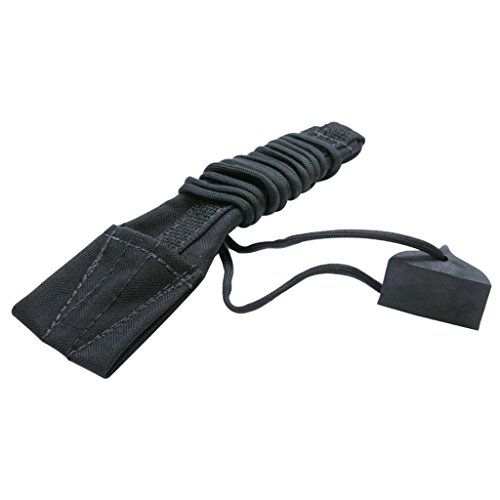 By Emily Parker
Updated November 2026
A diy recurve bow stringer is one of the most useful tools a new archer can own, because it lets you string and unstring a recurve safely without stepping on the limbs or forcing the bow into an awkward position. Whether you build your own from rope and a few hardware parts or buy a ready-made stringer, the right choice depends on your bow’s draw weight, the limb design, and how often you plan to string it. This guide compares three widely sold stringers on fit, safety features, and owner feedback patterns, and explains what to look for before you buy.
Our top picks at a glance
- 1TOP CHOICEBest overallSelway Limbsaver Recurve Bow StringerView on Amazon
- 2
 Best for handmade durabilityShatterproof Archery Bow-Stringer for Recurve & LongbowsView on Amazon
- 3
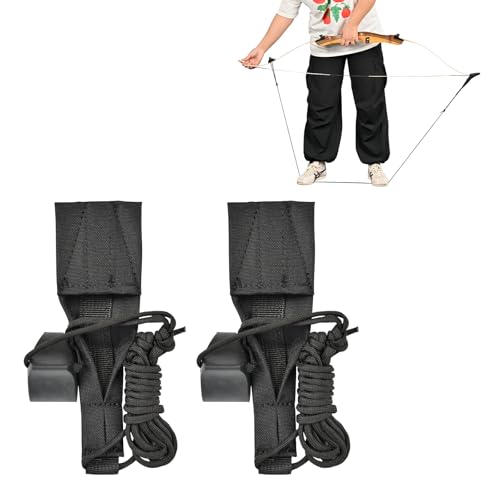 Best for two-bow householdsSPG Archery Recurve Bow Stringer – 2 Pack Anti-SlipView on Amazon
Our Top Picks
| Product | Best for | Key feature |
|---|---|---|
| Selway Limbsaver Recurve Bow Stringer | Most recurve archers who want a proven, simple stringer | Limb-friendly rope design with a rubber-coated cord loop |
| Shatterproof Archery Bow-Stringer for Recurve & Longbows | Archers who prefer a sturdy, handmade-style stringer | Universal fit for recurve and longbow limb tips |
| SPG Archery Recurve Bow Stringer – 2 Pack | Households with more than one bow | Two anti-slip stringers in one package |
Selway Limbsaver Recurve Bow Stringer
Selway Limbsaver Recurve Bow Stringer
Best for: Recurve archers who want a well-known, straightforward stringer for everyday use.
This is a good fit for beginners and intermediate shooters with a takedown or one-piece recurve who string the bow regularly. Its design is built around a simple loop-and-rope principle, so there is little to adjust once you learn the method.
Key specs
- Recurve-style stringer using a loop system to apply controlled leverage to the limbs
- Designed to hold the bow away from your body during stringing
Pros
- Simple to learn, with no complicated setup
- Widely recognized name in archery accessories
- Compact enough to keep in a bow bag
Cons
- Requires practice to get the loop placement consistent
- Owners often report it works best with a steady stance on a firm surface
Bottom line: A strong first choice if you want a dependable, no-frills stringer and are willing to spend a few sessions learning the technique.
View on AmazonShatterproof Archery Bow-Stringer for Recurve & Longbows
Shatterproof Archery Bow-Stringer for Recurve & Longbows Bow-Stringer | for Traditional Bow | Universal Bowstring | Handmade in USA
Best for: Archers who want a sturdy stringer that works across recurve and longbow styles.
This option suits traditional shooters who own more than one bow type or who want a stringer that feels solid in the hand. It is a good match for archers who value a classic, handcrafted look and feel. 4 Best Bear Archery Recurve Bow Stringers for Beginners (2026) goes further into this.
Key specs
- Designed for recurve and longbows
- Universal bowstring compatibility as listed in the product name
Pros
- Works across more than one traditional bow style
- Solid, handmade-style construction that owners often describe as durable
- Straightforward method once the loop is set
Cons
- Fit on very short or very long limbs may need a careful check before use
- Requires a bit of practice to stay centered on the limb tips
Bottom line: Best for traditional archers who want one stringer for several bow types and prefer a sturdier feel.
View on AmazonSPG Archery Recurve Bow Stringer – 2 Pack Anti-Slip
SPG Archery Recurve Bow Stringer – 2 Pack Anti-Slip Bow Stringer Recurve Bow Safe Archery Bow Stringer for Recurve Bow and Longbow Assisted Stringing Unstringing
Best for: Households or shooting partners who need two stringers at once.
The two-pack format makes sense if you have a second bow, a youth bow, or a friend who shoots with you. The anti-slip design is aimed at keeping the stringer from walking off the limb during the pull.
Key specs
- Sold as a 2-pack
- Recurve and longbow use, assisted stringing and unstringing
- Anti-slip design as stated in the listing
Pros
- Two stringers in one purchase, useful for shared equipment
- Anti-slip grip helps reduce slipping during the pull
- Works for both stringing and unstringing
Cons
- Owners often report that the second stringer is handy only if you actually have a second bow to fit
- Like any assisted stringer, it demands a consistent technique to avoid stressing the limbs
Bottom line: The right pick if you string more than one bow regularly and want spares on hand.
View on AmazonBuying Guide
Bow Draw Weight and Limb Compatibility
Check the draw weight your recurve is rated for and whether the stringer lists support for recurve limbs. A stringer that does not match your limb tip shape can slip or put uneven stress on the limbs. Manufacturers typically specify the bow types their stringers are designed for, so read that information before you buy.
Good picks for this: Selway Limbsaver Recurve Bow Stringer, Shatterproof Archery Bow-Stringer for Recurve & Longbows
Anti-Slip Grip and Cord Quality
Look for cord with a textured or coated surface. Smooth cord can slide off the limb tip under load. Rubber or coated loops tend to hold better, and owners often mention grip as a key difference between stringers.
Good picks for this: SPG Archery Recurve Bow Stringer – 2 Pack, Selway Limbsaver Recurve Bow Stringer
Ease of Use and Learning Curve
Some stringers take a few sessions to learn. A simpler loop design is usually faster to master, which matters if you are a complete beginner. Practice the motion with an unstrung bow in your yard before you try it with a loaded limb.
Good picks for this: Selway Limbsaver Recurve Bow Stringer, Shatterproof Archery Bow-Stringer for Recurve & Longbows
Number of Bows You String
If you own two or more bows, or you shoot with a partner, a multi-pack can save time. A single stringer is enough for one bow used occasionally.
Good picks for this: SPG Archery Recurve Bow Stringer – 2 Pack
Durability and Material
Stringers take repeated stress. Handmade-style products with solid construction are often described by owners as holding up well, while thin cord can fray with time. Inspect the cord and loops before each use and replace any worn part.
Good picks for this: Shatterproof Archery Bow-Stringer for Recurve & Longbows, Selway Limbsaver Recurve Bow Stringer
Portability and Storage
A compact stringer fits easily in a bow bag or hard case. If you travel to ranges or hunting spots, a light, foldable design is more practical. Store the stringer somewhere dry so the cord does not stiffen or mildew. For case options, see Recurve Bow Travel Case: How to Choose and Pack One Safely (2026).
Good picks for this: Selway Limbsaver Recurve Bow Stringer, SPG Archery Recurve Bow Stringer – 2 Pack
Safety During Stringing
Stringing a recurve is the moment most injuries happen. Keep your eyes on the limb tips, never stand in front of the bow, and keep fingers clear of the cord. A stringer reduces the risk, but it does not remove it. Always string with a stable stance and a firm grip.
Good picks for this: Selway Limbsaver Recurve Bow Stringer, SPG Archery Recurve Bow Stringer – 2 Pack
FAQ
What is a diy recurve bow stringer and can I make one?
A diy recurve bow stringer is a homemade tool, usually made from strong rope or cord with loops that fit over the limb tips. Many archers build them, but the loop size and cord strength must suit your bow’s draw weight. If you are unsure, buy a tested commercial design first to understand how it should feel.
How do I use a recurve bow stringer safely?
Place the bottom limb on the ground, set the loop on the upper limb tip, and step through the bow so the string sits behind your leg. Bend the bow slowly while keeping your body clear of the limbs, then slip the string into its groove. Never let the bow snap back. If the process feels forced, stop and recheck the loop placement.
Can a stringer damage my recurve limbs?
It can if the loops are worn, mismatched, or placed too low on the limb tips. Inspect the cord before each use and follow the manufacturer’s stringing instructions. Owners often report limb stress when stringers are used at the wrong angle, so check fit every time.
Do I need a stringer if I already own a bow case?
Yes. A bow case protects the bow in transit, but it does not string the bow. A stringer is a separate accessory. For storage advice, read Recurve Bow Case Full Length: How to Choose and Pack One Safely.
How often should I replace my stringer cord?
There is no universal schedule, but replace the cord when you see fraying, stiffness, flattening, or slippage. Frequent stringing and exposure to moisture shorten its life. Keep the cord dry and inspect it before each session. For a deeper look, 3 Best PSE Recurve Bow Stringers for Beginners (2026) covers this in detail.
Is a stringer the same as a bow press?
No. A stringer uses leverage on the bow’s limb tips, while a bow press compresses the whole bow. Stringers are generally used for recurves and longbows, and bow presses are common for compound bows. Use the tool that matches your bow design.
Conclusion
For most beginners, the Selway Limbsaver Recurve Bow Stringer is the most straightforward starting point, provided you practice the technique before stringing a loaded bow. Archers who shoot traditional bows and want a sturdier feel should consider the Shatterproof Archery Bow-Stringer for Recurve & Longbows. If you string more than one bow, the SPG Archery Recurve Bow Stringer 2 Pack covers both needs in one purchase. Whichever you choose, inspect the cord regularly and string with a stable stance. For more setup guidance, see Best Recurve Bow Stringer: A Step-by-Step Guide for Beginners.
Sources
- Consumer safety guidance on sporting equipment and recreational injury prevention (cpsc.gov)
- Outdoor safety and responsible recreation practices (nps.gov)
Related reading
- DIY Recurve Bow Sight: A Step-by-Step Guide for Beginners
- Recurve Bow Sight Pins: A Step-by-Step Setup Guide for Beginners
- Recurve Bow Hunting Sight: A Step-by-Step Guide for Beginners
- Peep Sight on Recurve Bow: How to Install and Tune It (Step-by-Step)
About Emily Parker
Emily Parker is part of our editorial team and reviews and edits our fishing & archery gear for beginners guides, checking product details against manufacturer specifications and owner feedback.
About the author
Emily Parker writes reviews and buying guides for Anglers and Archery.