Limbsaver Recurve Bow Stringer Review: Features and Performance
Reviewing the limbsaver recurve bow stringer: who it suits, key features, pros and cons, and alternatives to compare before you buy a bow stringer.
 By Emily Parker
Updated November 23, 2026
 By Emily Parker
Updated November 2026
A limbsaver recurve bow stringer is a tool that lets you string and unstring a recurve bow safely, without bending the limbs past their intended range or leaning your body weight against the bow. This review covers the Selway Limbsaver Recurve Bow Stringer as a research-based look at what the listing describes, who it is best for, and who should look elsewhere. It suits beginners and shooters with a recurve who want a dedicated stringing tool rather than the traditional step-through method. Shooters who already own a reliable stringer they like, or who only string a bow once in a while and are comfortable with the hand method, may not see enough benefit to switch.
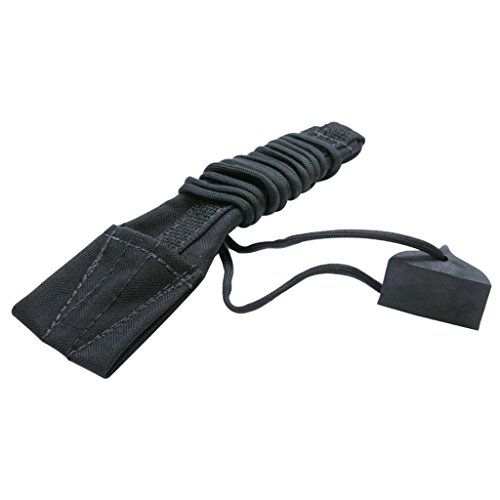
Selway Limbsaver Recurve Bow Stringer
Product Overview
The Selway Limbsaver Recurve Bow Stringer is a stringing aid built around the Limbsaver name, a brand that has long been associated with limb protection and bow care accessories in the archery market. The product is designed for recurve bows, which carry their own stringing challenges compared with compound bows. A recurve has no cams and no let-off, so the full draw weight is felt across the whole stringing process. Stringing a recurve by hand usually means bending the limbs with your legs, your arms, or both, and that is where limb stress and sudden slips can cause damage.
A dedicated stringer changes that process. Instead of forcing the bow into a string-ready position with brute strength, you use the tool to create a controlled bend, slip the string into its nock groove, and release the tension in a predictable way. The idea is simple, but the difference in control is significant, especially for shooters who are still building the habit of handling a bow carefully. The Selway model is positioned as a practical, everyday option rather than a specialty tool for a single bow type.
The product is sold through Amazon US under the listing name “Selway Limbsaver Recurve Bow Stringer,” and the name itself tells you the two main points buyers care about: the recurve bow focus and the Limbsaver protection line. Beyond what the name states, you should check the current listing for the exact dimensions, compatible limb ranges, and materials, since those details can change between production runs.
Key Features & Specifications
The table below lists only the points you can reasonably rely on from the product name and the general category. Confirm anything else on the live listing before you buy.
| Feature | Details |
|---|---|
| Bow type | Recurve bows (not designed for compound bows with cams) |
| Brand line | Limbsaver |
| Manufacturer / seller | Selway |
| Function | Assists in stringing and unstringing a recurve bow |
| Main purpose | Reduce limb stress and reduce the risk of slips during stringing |
| Listing check items | Limb length range, limb width, material, weight, and included parts |
Manufacturers typically specify the compatible bow length range and the maximum draw weight the stringer can handle. Check these numbers against your own bow before ordering. A stringer rated for shorter or lighter bows may not give you the leverage or clearance you need on a longer, heavier recurve.
Pros & Cons
Pros
- Built specifically for recurve bows, so the design matches the stringing geometry of a non-cam bow.
- Gives you a controlled way to bend the limbs, which lowers the risk of sudden overbending.
- Reduces the need to lean your body weight against the bow, which many beginners find awkward and unsafe.
- Carries the Limbsaver name, which many archers associate with limb care and protective accessories.
- Compact enough to keep in a bag or case alongside your bow for range trips.
- Useful for both stringing and unstringing, which matters for bow maintenance and storage.
Cons
- Not suitable for compound bows, so it is a single-purpose tool for recurve shooters.
- Owners often report that a stringer needs a few practice runs before the technique feels natural.
- Compatibility depends on limb length and draw weight, so mismatched bows may need a different model.
- Does not replace the need to check your string, nocks, and limb alignment before each shooting session.
- Specific details such as weight and materials should be verified on the live listing, since the review is research-based.
Performance Analysis
Performance for a recurve stringer comes down to three things: how well it fits your bow, how smoothly it bends the limbs, and how safely it lets you seat the string. Based on the product category and the general patterns archers describe when using dedicated stringers, the most important factor is fit. If the stringer’s clearance and leverage match your limb length, the bending motion stays even and the string slides into the nock groove without forcing. If the fit is off, you may find yourself pushing harder than you should, which defeats the purpose of using a tool.
Owner feedback for stringers in this category tends to follow a few recurring patterns. Many shooters say the first few attempts take longer than the traditional method, then the process speeds up once the hand and body positioning becomes routine. Others mention that the tool reduces the feeling of the bow twisting or slipping in the hands, which is one of the more common reasons beginners worry about stringing. A smaller number of reports point to the importance of watching the string closely during seating, since any tool still requires the archer to confirm that both nocks are fully engaged before releasing tension.
Limb protection is the central promise of a Limbsaver-branded stringer. By keeping the bend controlled and avoiding awkward pressure points on the limbs, the tool aims to reduce the everyday wear that comes from repeated stringing. This benefit accumulates over time rather than showing up on the first use, and it is hard to measure in a single session. Any claims about long-term limb life should be treated as expectations based on design intent, not guaranteed results.
Consistency matters too. A good stringer should produce the same bend and the same string seating every time you use it. Look for a design that keeps the bow centered and the tool stable on the ground or on your foot, because movement during stringing is where accidents happen. Always keep your face and body clear of the string path while stringing, and remember that a recurve under tension stores a lot of energy.
Who Should Buy This Product?
This stringer is a good fit for beginners who own a recurve and want to stop relying on the step-through method, which many instructors describe as risky for new archers. It also suits intermediate shooters who string their bow often, such as those who practice daily or who take their bow to multiple ranges. Archers who travel with a takedown recurve and need a repeatable way to string it at each destination will find the portability useful as well.
You should probably skip this product if you shoot only compound bows, since it is not designed for cam-based systems. Shooters who already have a stringer they trust and who string their bow infrequently may not need a second tool. Experienced archers who are fully comfortable with the hand method, and who have never had trouble with it, may also see little added value. If you are unsure whether your bow is compatible, check the limb specifications before buying rather than assuming the tool will work.
Buying Guide
Before choosing any recurve stringer, measure your bow’s limb length and note the draw weight printed on the limb or in the bow’s documentation. Many manufacturers list a compatible length range and a maximum draw weight. A stringer built for a 62-inch recurve may not reach the same leverage on a 68-inch bow, and a tool rated for lighter draw weights may flex or slip under heavier limbs. Matching these numbers to your bow is the single most important buying step.
Next, think about how you will use the stringer. If you mainly string at home, a standard model is usually enough. If you travel, look for a compact design that will fit in your bow case without forcing you to remove other accessories. Check whether the tool includes any protective pads or contact points, since these reduce the chance of marking your limbs during use. Pay attention to the grip and the stability of the base, because a stringer that rocks or slides while under tension is harder to control.
Finally, compare brand reputation and listing detail. Well-documented products with clear specifications are easier to evaluate, and they usually make it simpler to confirm fit. Here are two well-known alternatives to consider alongside this model:
-

MOYJ Recurve Bow Stringer Limbsaver Bow String Unstringing Longbow Takedown Bow Stringer Recurve Bow Traditional Bow Easy Install Protector Tool
– A recurve stringer that is also marketed for unstringing and takedown bows, which may suit shooters who want a broader range of uses. View on Amazon
-

Selway Archery Recurve Bow Stringer (Neon Green)
– A recurve stringer from the Selway Archery line in a different color option, useful if you want the same brand family with a distinct look. View on Amazon
If you are still choosing a complete setup, you may also find it useful to read Best Recurve Bow Stringer: A Step-by-Step Guide for Beginners before deciding, and Recurve Bow Travel Case: How to Choose and Pack One Safely (2026) if you plan to transport your bow with the stringer.
FAQ
Can I use a limbsaver recurve bow stringer on a compound bow?
No. This type of stringer is designed for recurve bows, which have no cams and carry their full draw weight throughout the stringing process. Compound bows use a different stringing method, and a recurve stringer will not match their limb and cam geometry.
Is a recurve bow stringer safer than the step-through method?
Many instructors describe a dedicated stringer as safer for beginners because it lets you control the bend without stepping into the string or relying on body weight. Safety still depends on careful technique, a clear work area, and keeping your face and body away from the string path.
How long does it take to learn to string a recurve with this tool?
Learning time varies by shooter. Owners often report that the first few attempts feel slow, then the process becomes routine after several practice sessions. Practice in a calm, uncrowded space until the motion feels consistent.
How do I check whether a stringer fits my recurve bow?
Measure your bow’s limb length and confirm the draw weight. Compare these numbers with the compatible range listed by the manufacturer. If the listing does not state a range, contact the seller or the brand before buying to avoid a mismatch.
Should I still check the string and nocks after using a stringer?
Yes. Before every shooting session, inspect the string for fraying, check that both nocks are seated correctly, and confirm that the limbs are aligned. A stringer helps with the stringing process, but it does not replace routine bow inspection.
Can I use this stringer for unstringing the bow?
Many recurve stringers are designed to handle both stringing and unstringing, which is useful for storage and maintenance. Confirm this function on the live listing, since product features can differ between models.
Does a stringer protect my bow limbs from damage?
A stringer can reduce stress by keeping the bend controlled and avoiding awkward pressure on the limbs. It cannot prevent damage caused by other issues, such as improper draw weight for your skill level or storing the bow under tension. For any concern about limb condition, consult a qualified archery technician.
Final Verdict
The Selway Limbsaver Recurve Bow Stringer is a practical choice for recurve shooters who want a dedicated tool for safer, more controlled stringing. Its strongest point is the recurve-specific design paired with the protective intent behind the Limbsaver name. Its main limitation is that it only works with recurve bows, and fit depends on matching your bow’s limb length and draw weight to the manufacturer’s stated range. If your bow falls within that range and you string it regularly, this is a sensible addition to your gear. If you shoot compound bows or already have a stringer you trust, you can reasonably skip it.
View on AmazonNote: Stringing a bow carries real risk of injury and bow damage. If you are new to archery, ask a certified instructor or a qualified pro shop to show you the process before you string a bow on your own.
Before you buy: helpful guides
About Emily Parker
Emily Parker is part of our editorial team and reviews and edits our fishing & archery gear for beginners guides, checking product details against manufacturer specifications and owner feedback.
About the author
Emily Parker writes reviews and buying guides for Anglers and Archery.