Selway Limbsaver Recurve Bow Stringer Review: Is It Worth It?
Reviewing the selway limbsaver recurve bow stringer: who it suits, key specs, pros and cons, and how it compares to two alternatives before you buy.
 By Emily Parker
Updated November 23, 2026
 By Emily Parker
Updated November 2026
The selway limbsaver recurve bow stringer is a tool for beginner and intermediate recurve archers who want a safer, more controlled way to string and unstring their bows. It suits archers who own a recurve with a standard string loop and who want to avoid the common habit of leaning on the limbs or bending the bow by hand. It is less useful for compound bow owners, who need a different kind of setup, and for archers who already own a stringer they trust and see no reason to change. Buyers who value a simple, low-maintenance accessory will likely find it practical. Buyers who need a specific rated draw weight, a detailed published spec sheet, or a stringer built for a particular takedown design should look closely at the listing details first.
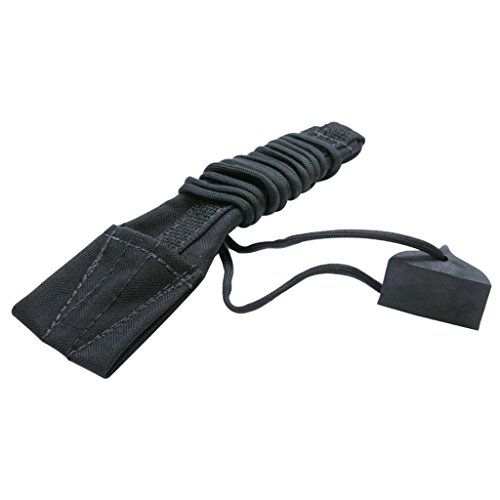
Selway Limbsaver Recurve Bow Stringer
Product Overview
The Selway Limbsaver Recurve Bow Stringer is a dedicated stringing aid built around the Limbsaver name, a brand associated with limb and bow accessories for traditional and recurve archery. Its basic purpose is to let an archer string a recurve by using two loops or cords that span the bow, so the limbs bend in a controlled way rather than under the archer’s hands or against a leg. Stringers in this category are commonly sold as a complement to a bow case or bow hanger, and many archers keep one in the same bag they use to transport their equipment.
Because the product type is simple, the main questions for most buyers are practical ones: does it fit my bow’s limb width and string configuration, how easy is it to position on the limbs, and does it help me avoid the strain that comes from bending a bow by hand. A stringer like this does not add accuracy or change your draw. Its value is in making the stringing and unstringing routine safer and more repeatable, which matters because a bow that is strung or unstrung incorrectly can be damaged, and the archer can be injured if the bow slips.
If you are new to recurves, it helps to understand the basic stringing sequence before you buy any stringer. The steps are covered in a beginner-friendly way in Best Recurve Bow Stringer: A Step-by-Step Guide for Beginners, which is useful background whichever model you choose. For a deeper look, Bear Archery Recurve Bow Quiver: 5 Best Picks for 2026 covers this in detail.
Key Features & Specifications
Manufacturers and listing titles for this type of stringer typically emphasize a few core points. The table below lists only what the product name and category make clear, along with general characteristics that buyers should verify on the current listing.
| Feature | What It Means for You |
|---|---|
| Product type | Recurve bow stringer (not designed for compound bows) |
| Brand | Selway, with Limbsaver as the associated accessory line |
| Intended use | Stringing and unstringing a recurve bow using the limbs in a controlled way |
| Design approach | Two-loop or cord-based system that spans the bow to bend the limbs evenly |
| Compatibility | Recurve bows with standard string loops; check your limb and tip configuration before buying |
| Maintenance | Keep cords free of grit and nicks; store dry |
Specific load ratings, cord diameters, and exact limb-tip dimensions are not something we can confirm from the product name alone, so check the listing’s specification section before you order. If a number is not listed, treat it as unknown rather than assuming a value.
Pros & Cons
Pros
- Designed specifically for recurve bows, so it matches the stringing method most recurve archers use.
- Helps the archer avoid bending the limbs by hand, which reduces the risk of strain and limb damage.
- Simple design with few moving parts, which makes it easy to inspect and store.
- Compact enough to keep in a bow case or range bag.
- Supports a repeatable stringing routine, which is useful for beginners learning consistent habits.
Cons
- Not suitable for compound bows, so it will not serve every archer in a mixed setup.
- Requires practice to position correctly on the limbs; a poor setup can slip during the stringing motion.
- Published specifications may be limited, so buyers have to confirm compatibility themselves.
- Cords and loops can wear over time and should be checked regularly.
- Does not replace good technique; an archer still needs to learn the correct stance and hand position.
Performance Analysis
Performance for a stringer is measured by three things: how securely it holds the limbs, how smoothly it lets you bring the string onto the nocks, and how well it protects the bow during the process. Based on the design approach and the patterns that owners of similar two-loop stringers commonly describe, the main advantage is control. When the stringer is set correctly, the limbs bend in a predictable arc, which makes the final string placement easier to see and to adjust.
Owners of this category of product often report that the first few uses take the longest. The most common issues are placing the loops too close to the limb tips, which can cause slippage, and rushing the bend. Taking a slower, more deliberate approach tends to produce better results. Some archers also find that a stringer is most valuable for unstringing, since releasing tension from a bow by hand is the step where people most often lose control.
The stringer does not change how your bow shoots, and it does not affect draw weight or tuning. Its performance is about handling. If you need a tool that also helps with setting nocks, checking brace height, or tuning, you will need separate equipment. For the setup side of recurve work, Recurve Bow Sight Pins: A Step-by-Step Setup Guide for Beginners covers aiming hardware, which is a different part of the process.
Who Should Buy This Product?
This stringer is a good fit if you own a recurve, you string it yourself, and you want a dedicated tool instead of improvising with your hands or your legs. It is also a sensible choice for parents or coaches who help younger archers string their bows, since a controlled method reduces the risk of a bow slipping or a limb being stressed. Archers who travel with their equipment may appreciate a compact stringer that fits in a case.
You should probably skip this product if you shoot only compound bows, since it is not designed for that setup. Skip it if you already use a stringer you are comfortable with and have no interest in switching. And if you cannot confirm that it fits your bow’s limb and string configuration, it is worth asking the seller or checking your bow’s manual before buying.
Buying Guide
Before buying any recurve stringer, start with your bow. Check the limb tip shape, the string loop style, and the recommended stringing method in the manufacturer’s manual. A stringer that works well on one bow may not fit another, particularly if the limb tips are unusually shaped or if the bow is a takedown model with detachable limbs.
Next, think about how you will use it. If you string and unstring the bow every session, durability and ease of use matter more. If you only string it occasionally, a simple, lightweight option may be enough. Look at the cord or loop material, the way the stringer attaches to the limbs, and whether the instructions are clear.
Two alternatives are worth comparing. The first is the Selway Archery Recurve Bow Stringer in neon green, which keeps the same basic recurve purpose and offers a different color option that some archers prefer for visibility at the range:

Selway Archery Recurve Bow Stringer (Neon Green)
The second is the MOYJ Recurve Bow Stringer Limbsaver Bow String Unstringing Longbow Takedown Bow Stringer, which is marketed for recurve and longbow use and includes unstringing and takedown language in its title. It may suit archers who work with longbows or takedown setups as well as recurves:

MOYJ Recurve Bow Stringer Limbsaver Bow String Unstringing Longbow Takedown Bow Stringer Recurve Bow Traditional Bow Easy Install Protector Tool
When comparing, check which configurations each one lists as compatible, and confirm the details in the current listing rather than relying on this summary. For broader context on choosing gear for recurve work, Top 5 Custom Arrows for Archery: Compared for Every Bow is useful if you are also reviewing your full setup.
FAQ
Is the Selway Limbsaver recurve bow stringer safe to use?
A stringer is designed to reduce the risk of stressing the limbs by hand, but safety depends on correct use. Read the manufacturer’s instructions, place the loops carefully, and never stand in front of the bow during stringing. Consult an experienced archery instructor or bow shop if you are unsure about your technique.
Can I use it on a compound bow?
No. This product is built for recurve bows. Compound bows use a different stringing and draw system, and a recurve stringer is not the right tool for them.
Will it fit all recurve bows?
Not necessarily. Compatibility depends on limb tip design, string loop style, and bow length. Check your bow’s manual and the listing’s compatibility details before buying.
How do I know if the stringer is positioned correctly?
The loops should sit securely on the limbs without slipping and should bend the limbs evenly. If one side feels looser or the stringer shifts as you apply pressure, stop and reposition it before continuing.
How should I store it?
Keep the cords dry and free of dirt, and store the stringer somewhere it will not be crushed or kinked. Inspect the loops regularly for fraying or wear.
Does it help with unstringing as well as stringing?
Many recurve archers use stringers for both tasks, since releasing tension gradually is one of the most important safety points. Check the product description to confirm the intended use.
Do I still need to learn proper technique?
Yes. A stringer is a tool, not a substitute for knowing how to stand, grip, and position the bow. Learning the correct method first will make any stringer easier to use.
Final Verdict
The Selway Limbsaver Recurve Bow Stringer is a practical, recurve-specific tool for archers who want to string and unstring their bows with more control and less strain on the limbs. It is best suited to recurve owners who string their own bows and want a dedicated accessory rather than an improvised method. Its limits are clear: it is not for compound bows, and it works best when you take the time to position it correctly and check compatibility before buying. Confirm the specifications on the listing, compare the alternatives if your bow setup is unusual, and treat it as one part of a sound stringing routine.
View on AmazonBefore you buy: helpful guides
Related reading
- 7 Best Recurve Bow Stringer Tool Options for Beginners (2026)
- 4 Best Bear Archery Recurve Bow Stringers for Beginners (2026)
About Emily Parker
Emily Parker is part of our editorial team and reviews and edits our fishing & archery gear for beginners guides, checking product details against manufacturer specifications and owner feedback.
About the author
Emily Parker writes reviews and buying guides for Anglers and Archery.