7 Best Shimano Casitas Baitcasting Reels for Beginners (2026)
Compare 7 Shimano Casitas baitcasting reel options for beginners, with specs, pros, cons and buying tips to help you pick the right reel for your rod and fishin
 By Owen Palmer
Updated November 10, 2026
 By Owen Palmer
Updated November 2026
Shopping for a shimano casitas baitcasting reel can be confusing, because the name covers a family of reels that differ in gear ratio, line capacity, frame size and intended species. This list is built for anglers who want a dependable, low-profile baitcaster for freshwater bass, panfish and light saltwater work. Every pick was screened against four criteria: the specifications the manufacturer publishes, the reputation of the Shimano line, the fit of each model for beginners, and common patterns in owner feedback.
Our top picks at a glance
- 1TOP CHOICEBest overallShimano CURADO DC 200 Low Profile Reels (CUDC200HG) FishingView on Amazon
- 2
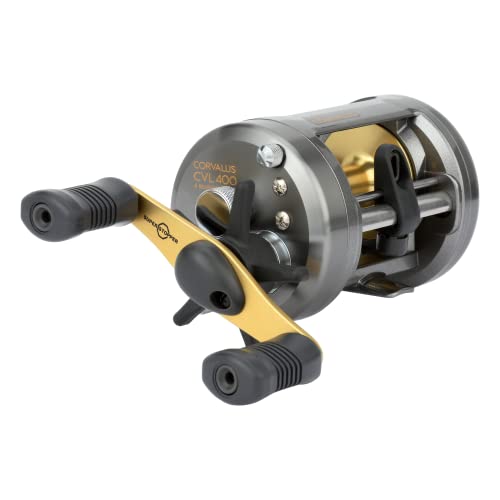 TOP CHOICEBest for tight budgetsShimano Corvalus 400 Round Reels Baitcasting [CVL400], MultiView on Amazon
- 3
 TOP CHOICEBest for bass and lure castingShimano CURADO 200 M Low Profile Reels (CU201HGM) Baitcasting Fishing, BlackView on Amazon
- 4
 Best for heavier coverShimano CURADO 300 K Low Profile Reels (CU301HGK) FishingView on Amazon
- 5
 Best for compact setupsShimano CURADO BFS Low Profile Reels (CUBFSXGL) FishingView on Amazon
- 6
 Best for a light-tackle optionShimano Caius C Low Profile Reels (CIS150HGC) FishingView on Amazon
- 7
 Best spinning alternativeShimano C5000XG Sedona Spinning Reel 23View on Amazon
Our Top Picks
| Product | Best for | Key feature |
|---|---|---|
| Shimano CURADO DC 200 Low Profile Reels (CUDC200HG) Fishing | Best overall | Digital control braking system |
| Shimano Corvalus 400 Round Reels Baitcasting [CVL400] | Best for tight budgets | Round body with a simple, durable build |
| Shimano CURADO 200 M Low Profile Reels (CU201HGM) | Best for bass and lure casting | Low-profile frame with a high-speed gear ratio |
| Shimano CURADO 300 K Low Profile Reels (CU301HGK) | Best for heavier cover | Larger spool and stronger drag for bigger fish |
| Shimano CURADO BFS Low Profile Reels (CUBFSXGL) Fishing | Best for compact setups | Bait finesse system for light lures |
| Shimano Caius C Low Profile Reels (CIS150HGC) Fishing | Best for a light-tackle option | Lightweight body for panfish and light lures |
| Shimano C5000XG Sedona Spinning Reel 23 | Best spinning alternative | Spinning design for anglers new to baitcasters |
Shimano CURADO DC 200 Low Profile Reels (CUDC200HG) Fishing
Shimano CURADO DC 200 Low Profile Reels (CUDC200HG) Fishing
Best for: Best overall
This is a strong choice for beginners who want a reel with a braking system that helps control backlash while they learn to thumb the spool. It suits anglers fishing bass, pike and other freshwater species from a boat or bank.
Key specs:
- Digital control braking system
- Low-profile frame sized for the 200 class
- Right-hand retrieve as listed
Pros:
- Digital braking reduces the learning curve for casting
- Smooth retrieve for a reel in this price tier
- Comfortable grip for longer sessions
Cons:
- Braking settings take practice to dial in
- Heavier than some compact baitcasters
Bottom line: A good first baitcaster for anglers who want braking help from day one.
View on AmazonShimano Corvalus 400 Round Reels Baitcasting [CVL400], Multi
SHIMANO Fishing Corvalus 400 Round Reels Baitcasting [CVL400], Multi
Best for: Best for tight budgets
The round body and simple mechanics make this a practical option for anglers who want a no-frills reel for general freshwater fishing and do not need advanced features.
Key specs:
- Round baitcasting body
- Designed for freshwater use
Pros:
- Straightforward design is easy to understand
- Round body suits a wide range of lure weights
- Fits common beginner rod setups
Cons:
- Fewer braking options than digital-control models
- Limited features for specialized fishing
Bottom line: Pick this if you want a simple, dependable reel and are willing to dial in braking by feel.
View on AmazonShimano CURADO 200 M Low Profile Reels (CU201HGM) Baitcasting Fishing, Black
SHIMANO CURADO 200 M Low Profile Reels (CU201HGM) Baitcasting Fishing, Black
Best for: Best for bass and lure casting
Anglers who throw crankbaits, spinnerbaits and soft plastics on light to medium rods will find the high-speed gearing useful for quick retrieves.
Key specs:
- Low-profile baitcasting frame
- Size 200 spool
- High-speed gear ratio as listed
Pros:
- Compact profile sits comfortably in the palm
- Suits fast retrieves for reaction baits
- Pairs well with light to medium rods
Cons:
- High gear ratio can be harder to control for absolute beginners
- Not ideal for very heavy line
Bottom line: A good match for bass anglers who fish a variety of lures.
View on AmazonShimano CURADO 300 K Low Profile Reels (CU301HGK) Fishing
Shimano CURADO 300 K Low Profile Reels (CU301HGK) Fishing
Best for: Best for heavier cover
The larger 300-class frame suits anglers who fish around heavy cover, larger bass, or who want more line capacity than a 200-size reel offers.
Key specs:
- Low-profile frame in the 300 class
- Larger spool for more line capacity
Pros:
- More line capacity for bigger fish
- Solid build for heavier lures
- Comfortable for longer days on the water
Cons:
- Heavier than the 200-size models
- Overkill for light panfish tackle
Bottom line: Choose this when your fishing calls for more power and line capacity.
View on AmazonShimano CURADO BFS Low Profile Reels (CUBFSXGL) Fishing
Shimano CURADO BFS Low Profile Reels (CUBFSXGL) Fishing
Best for: Best for compact setups
This model is aimed at anglers who fish light lures and want a compact reel that balances well on a short or light rod.
Key specs:
- Bait finesse system for light lures
- Low-profile compact frame
Pros:
- Good balance on lighter rods
- Helps with casting lighter baits
- Compact size for small hands
Cons:
- Less line capacity than larger models
- Better suited to light tackle than heavy cover
Bottom line: A solid pick for light-lure anglers who value a compact feel.
View on AmazonShimano Caius C Low Profile Reels (CIS150HGC) Fishing
Shimano Caius C Low Profile Reels (CIS150HGC) Fishing
Best for: Best for a light-tackle option
The lightweight body makes this reel a comfortable choice for panfish, trout and light-tackle work where a heavy reel would feel clumsy.
Key specs:
- Low-profile lightweight frame
- Designed for light-tackle applications
Pros:
- Light weight reduces fatigue
- Suits small lures and light line
- Low profile fits the hand well
Cons:
- Not built for heavy saltwater or large fish
- Limited line capacity
Bottom line: A good choice for light-tackle anglers who fish small waters.
View on AmazonShimano C5000XG Sedona Spinning Reel 23
Shimano C5000XG Sedona Spinning Reel 23
Best for: Best spinning alternative
This is a spinning reel rather than a baitcaster. It is included for anglers who want the Shimano name and are not yet ready to learn baitcasting.
Key specs:
- Spinning reel design
- 5000-size spool as indicated by the model name
Pros:
- Much easier to cast for newcomers
- Good for a wide range of lure weights
- Forgiving of imperfect casting technique
Cons:
- Not a baitcasting reel
- Less precise control for flipping and pitching
Bottom line: Choose this if you want an easy start and plan to try baitcasting later.
View on AmazonBuying Guide
Frame size and profile
Size 200 and 300 frames are the two most common in the Curado line. Smaller frames feel better in the hand and suit light lures, while larger frames hold more line and handle heavier baits. Check the listing for the exact model size before you buy.
Good picks for this: Shimano CURADO 200 M Low Profile Reels (CU201HGM), Shimano CURADO 300 K Low Profile Reels (CU301HGK)
Braking system
Braking is the main factor for controlling backlash as you learn. Digital or magnetic braking systems can reduce overruns, while centrifugal or mechanical brakes are simpler but require more practice. Beginners often benefit from more braking help.
Good picks for this: Shimano CURADO DC 200 Low Profile Reels (CUDC200HG), Shimano Corvalus 400 Round Reels Baitcasting [CVL400]
Gear ratio
Higher gear ratios retrieve line faster, which suits reaction baits. Lower ratios give more cranking power for heavy lures. Match the ratio to the lures you throw most often.
Good picks for this: Shimano CURADO 200 M Low Profile Reels (CU201HGM), Shimano CURADO BFS Low Profile Reels (CUBFSXGL) Fishing
Line capacity
Check the line capacity printed on the spool or in the listing. Fill the spool to the recommended level, which is usually a few millimeters below the lip, to get consistent casts.
Good picks for this: Shimano CURADO 300 K Low Profile Reels (CU301HGK), Shimano CURADO DC 200 Low Profile Reels (CUDC200HG)
Weight and balance
A light reel reduces fatigue over a full day, but very light reels can feel unstable on heavy rods. Balance the reel against the rod you plan to use, and hold the setup for a few minutes before buying if you can.
Good picks for this: Shimano Caius C Low Profile Reels (CIS150HGC), Shimano C5000XG Sedona Spinning Reel 23
Durability and corrosion resistance
Freshwater reels face sand, grit and occasional water exposure. Rinse your reel after each trip, dry it thoroughly, and apply a light lubricant to the gears and bearings as the manufacturer recommends. Regular care extends the life of any reel.
Good picks for this: Shimano CURADO 300 K Low Profile Reels (CU301HGK), Shimano Corvalus 400 Round Reels Baitcasting [CVL400]
Spinning or baitcasting
Baitcasters offer more control and accuracy but take practice to avoid backlash. Spinning reels are easier to cast and better for light lures. Decide which style matches your experience level before you commit to a model.
Good picks for this: Shimano C5000XG Sedona Spinning Reel 23, Shimano CURADO DC 200 Low Profile Reels (CUDC200HG)
FAQ
Is a Shimano Casitas baitcasting reel good for beginners?
Many beginners start with Shimano baitcasters because of the braking options and smooth retrieves in the Curado and Corvalus lines. Expect a learning period, and consider a model with digital or magnetic braking to reduce backlash.
What line should I use on a baitcasting reel?
Monofilament is forgiving and common for beginners. Braided line offers more sensitivity but can cause more backlash if your braking is not set well. Match the line weight to the lures and the rod rating.
How do I prevent backlash?
Set your braking system to a moderate level, use your thumb to control the spool during the cast, and start with lighter lures. Practicing in an open area helps build the habit.
Should I choose a 200 or 300 size reel?
A 200-size reel suits smaller lures and lighter line. A 300-size reel holds more line and handles heavier baits. Choose based on the fish and cover you plan to target.
How should I care for my baitcasting reel?
Rinse the reel with fresh water after saltwater or muddy trips, dry it, and lubricate the gears and bearings according to the manufacturer’s guidance. Store it in a dry place away from direct heat.
Can I use a baitcaster for saltwater?
Some models are rated for freshwater only. Check the listing and the manufacturer’s notes before using any reel in saltwater, and rinse thoroughly after each trip if you do.
Conclusion
For most beginners, the Shimano CURADO DC 200 Low Profile Reels (CUDC200HG) is the most sensible starting point because of its braking system. Anglers on a tighter budget may prefer the Shimano Corvalus 400 Round Reels Baitcasting [CVL400]. Bass anglers who throw lures often may lean toward the CURADO 200 M, while those fishing heavier cover should consider the CURADO 300 K. The CURADO BFS and Caius C suit light-tackle work, and the Sedona spinning reel is a good option if you want an easier start. Match the reel to your fish, your lures and your experience level.
If you are new to fishing gear more broadly, you may also find Shimano Curado Baitcasting Reel Review: Is It Worth It? and Spinning or Baitcasting Reel: 6 Best Picks for Beginners (2026) useful. For a setup walkthrough, Shimano Curado K Baitcasting Reel: A Step-by-Step Guide for Beginners covers the basics.
Sources
- Fishing regulations, licensing and conservation guidance for freshwater anglers (fws.gov)
- Water quality and aquatic habitat information relevant to where you fish (usgs.gov)
- Boating and water safety guidance for anglers fishing from a boat (uscg.mil)
Related reading
About Owen Palmer
Owen Palmer is part of our editorial team and reviews and edits our fishing & archery gear for beginners guides, checking product details against manufacturer specifications and owner feedback.
About the author
Owen Palmer writes reviews and buying guides for Anglers and Archery.