5 Best Baitcasting Reels for Inshore Fishing: Top Picks (2026)
Looking for a baitcasting reel for inshore fishing? Compare five reels by drag, gear ratio, build and saltwater suitability to find the right match.
 By Owen Palmer
Updated November 8, 2026
 By Owen Palmer
Updated November 2026
Choosing a baitcasting reel for inshore fishing means balancing a few things that matter more in brackish and coastal water than on a freshwater lake: corrosion resistance, drag strength for redfish, snook and trout, retrieve speed for chasing moving fish, and a body small enough to sit comfortably in your hand through a long afternoon. This guide compares five reels from the product line we selected, judged on published specifications, brand reputation for saltwater use, and the patterns owners tend to describe in their feedback. We did not test these reels ourselves; the notes below reflect manufacturer claims and common owner observations.
Our top picks at a glance
- 1TOP CHOICEBest overallDaiwa CLSVTW150HL-B Coastal SV 150 TW B BAITCAST ReelView on Amazon
- 2
 TOP CHOICEBest for high-speed retrievesKastKing Spartacus II Baitcasting Reels, Green, RightView on Amazon
- 3
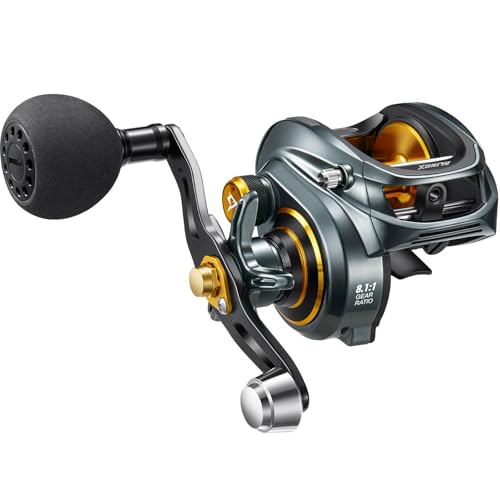 TOP CHOICEBest budget pickPiscifun Alinox 300 Baitcasting Reel, Gray Right HandView on Amazon
- 4
 Best for light lure workKastKing Lethal Blaze Baitcasting Fishing Reel, RightView on Amazon
- 5
 Best low-profile optionAbu Garcia Max SX Low Profile Baitcast Fishing Reel, RightView on Amazon
Our Top Picks
Quick Comparison
| Product | Best for | Key feature |
|---|---|---|
| Daiwa CLSVTW150HL-B Coastal SV 150 TW | Overall inshore use | Saltwater-oriented build with a 7.1:1 gear ratio |
| Piscifun Alinox 300 Baitcasting Reel | Budget-minded beginners | Aluminum frame and 33 lb drag rating |
| KastKing Spartacus II Baitcasting Reels | Fast retrieves | 7.2:1 gear ratio and 17.6 lb max drag |
| KastKing Lethal Blaze Baitcasting Fishing Reel | Light lures and finesse presentations | 11-setting magnetic brake and 7 oz weight |
| Abu Garcia Max SX Low Profile Baitcast Fishing Reel | Anglers who want a compact, lightweight reel | Graphite body and sideplates with brass gearing |
Daiwa CLSVTW150HL-B Coastal SV 150 TW B BAITCAST Reel
Daiwa CLSVTW150HL-B Coastal SV 150 TW B BAITCAST Reel, 4CRBB + 1, 7.1 : 1
Best for: Overall inshore use with a focus on saltwater durability
This reel suits anglers who expect to rinse their gear after every trip and want a body designed with coastal conditions in mind. Its 150-size frame and 7.1:1 gear ratio give a balanced mix of line pickup and cranking power for redfish, trout and similar species.
Key specs:
- Gear ratio: 7.1:1
- Bearings: 4 corrosion-resistant ball bearings plus 1 roller bearing (listed as 4CRBB + 1)
- Designed for saltwater use
Pros:
- Saltwater-oriented construction suits frequent coastal trips
- Smooth bearing setup for consistent casting
- Gear ratio works well for a wide range of inshore lures
Cons:
- Costs more than entry-level options
- Heavier than some compact competitors
Bottom line: A strong pick for anglers who want one reliable reel for regular inshore trips and are willing to pay for saltwater-focused build quality.
View on AmazonPiscifun Alinox 300 Baitcasting Reel, Gray Right Hand
Piscifun Alinox 300 Baitcasting Reel, Gray Right Hand 8.1:1 | Freshwater saltwater, aluminum frame, 33LB drag, smooth casting, low-profile body
Best for: Budget-minded beginners who fish both fresh and salt water
The Alinox 300 is a practical starting point for someone learning to cast a baitcaster and fishing a mix of inshore and freshwater spots. Its aluminum frame and listed 33 lb drag give it enough muscle for moderate coastal species.
Key specs:
- Gear ratio: 8.1:1
- Max drag: 33 lb (as listed)
- Right-hand retrieve, aluminum frame, low-profile body
Pros:
- High listed drag for the size class
- Fast 8.1:1 retrieve for covering water
- Low-profile body fits smaller hands
Cons:
- Brand has less saltwater track record than the larger names
- Owners often recommend upgrading the spool bearings for heavy use
Bottom line: A sensible choice for beginners who want a capable reel without a large commitment, especially if they also fish freshwater.
View on AmazonKastKing Spartacus II Baitcasting Reels, Green, Right
KastKing Spartacus II Baitcasting Reels, 7.2:1, Green, Right | Max Drag: 17.6 lb, 7+1 BB, 6 oz, Graphite Frame, 5-Button Magnetic Brake, Ultralight and Super Smooth
Best for: Fast retrieves and anglers who throw spinnerbaits and topwater lures
The Spartacus II is built for anglers who want quick line recovery and a light feel. Its 7.2:1 gear ratio and magnetic braking make it a good match for working lures across flats and along grass lines.
Key specs:
- Gear ratio: 7.2:1
- Max drag: 17.6 lb (as listed)
- Bearings: 7+1 ball bearings
- Weight: 6 oz; graphite frame; 5-button magnetic brake
Pros:
- Lightweight for all-day casting
- Five-button magnetic brake adjusts quickly
- Smooth retrieve for a reel in this price tier
Cons:
- Listed max drag is lower than heavier saltwater reels
- Graphite frame is less rigid than aluminum under heavy load
Bottom line: Best for anglers who prioritize speed and light weight over raw drag power on inshore flats and shallow water.
View on AmazonKastKing Lethal Blaze Baitcasting Fishing Reel, Right
KastKing Lethal Blaze Baitcasting Fishing Reel, Right | Max Drag: 15.4 lb, 5+1 BB, 7 oz, 11-Setting Magnetic, Aluminum Spool, Ultra-Smooth Freshwater & Inshore Fishing
Best for: Light lures and finesse presentations in shallow inshore water
This reel is aimed at anglers working soft plastics and small crankbaits who want precise control. The 11-setting magnetic brake helps reduce backlash for less experienced casters.
Key specs:
- Max drag: 15.4 lb (as listed)
- Bearings: 5+1 ball bearings
- Weight: 7 oz; aluminum spool; 11-setting magnetic brake
Pros:
- Fine-grained magnetic brake control
- Aluminum spool adds durability
- Ultra-smooth feel for finesse work
Cons:
- Lower listed drag limits its use on large redfish
- Fewer bearings than some competitors in its class
Bottom line: Pick this if your inshore fishing centers on light tackle and precise lure placement rather than heavy fish.
View on AmazonAbu Garcia Max SX Low Profile Baitcast Fishing Reel, Right
Abu Garcia Max SX Low Profile Baitcast Fishing Reel, Right, Lightweight Design, Graphite Body and Sideplates, Duragear Brass Gear, Power Disk Drag System
Best for: Anglers who want a compact, lightweight reel with a durable drag system
The Max SX combines a low-profile body with a Power Disk drag system, making it a comfortable choice for anglers who fish standing for long stretches or prefer a reel that sits low on the rod.
Key specs (per listing):
- Graphite body and sideplates
- Duragear brass gear
- Power Disk drag system; right-hand retrieve
Pros:
- Lightweight graphite construction
- Brass gearing is a durable choice for regular use
- Low-profile design sits comfortably in the hand
Cons:
- Graphite body may feel less substantial than aluminum models
- Owners sometimes mention the need for periodic cleaning after saltwater trips
Bottom line: A good match for anglers who value light weight and a low-profile feel and are willing to rinse the reel after each saltwater outing.
View on AmazonBuying Guide
Corrosion Resistance and Materials
Salt air and brackish water are hard on reels. Look for stainless steel or corrosion-resistant bearings, sealed or well-finished components, and frames that owners describe as holding up after rinsing. Graphite frames save weight but may show wear differently than aluminum, so rinse after every trip regardless of material.
Good picks for this: Daiwa Coastal SV 150 TW, Abu Garcia Max SX
Drag Rating and Fish Size
Drag determines how much pressure the reel can apply before line slips. Redfish and snook can make hard, fast runs, so a reel with a higher listed max drag gives more margin. Compare the stated maximum rather than the recommended setting, and leave room below it for safety.
Good picks for this: Piscifun Alinox 300, KastKing Spartacus II
Gear Ratio and Retrieve Speed
Higher gear ratios retrieve line faster, useful for chasing moving fish and burning spinnerbaits. Lower ratios give more cranking power for heavier lures and bigger fish. A ratio between about 6.5:1 and 8:1 covers most inshore needs.
Good picks for this: KastKing Spartacus II, Piscifun Alinox 300
Reel Size and Line Capacity
Match the reel size to the species and line you plan to use. Smaller reels suit light lures and small fish; mid-size reels handle most inshore species. Check the line capacity printed on the spool and make sure it holds the braid or mono you intend to spool.
Good picks for this: Daiwa Coastal SV 150 TW, KastKing Lethal Blaze
Braking System and Casting Control
Magnetic brakes and spin control systems help reduce backlash, especially for beginners. Adjustable settings let you dial in the right tension for lure weight. Practice with the brake set high, then ease it down as your casting improves.
Good picks for this: KastKing Lethal Blaze, KastKing Spartacus II
Weight and Ergonomics
You will hold the reel through long sessions, so weight and balance matter. Lighter reels reduce fatigue, while a low-profile body helps with hand comfort. Pair the reel with a rod of matching weight for better balance.
Good picks for this: Abu Garcia Max SX, KastKing Spartacus II
Care and Maintenance
Rinse the reel with fresh water after each saltwater trip, dry it thoroughly, and lubricate according to the manufacturer’s guidance. Check the spool and bearings periodically. Reels that are easy to disassemble for cleaning tend to last longer in coastal conditions.
Good picks for this: Daiwa Coastal SV 150 TW, Piscifun Alinox 300
FAQ
Can a baitcasting reel be used in saltwater?
Yes, but only if the reel is designed for it or you rinse and maintain it carefully. Models labeled for saltwater use typically have better corrosion resistance. Even then, rinsing with fresh water after every trip is the best habit.
What gear ratio is best for inshore fishing?
Most anglers do well with a ratio between roughly 6.5:1 and 8:1. Higher ratios help when you need fast line recovery, while lower ratios provide more power for heavier lures.
How much drag do I need for redfish?
Redfish can make strong runs, so a reel with a listed max drag in the mid-teens or higher gives a reasonable margin. Set the drag to roughly a quarter to a third of the line’s breaking strength and adjust as needed.
Is a baitcasting reel harder to learn than a spinning reel?
It has a steeper learning curve because of backlash risk. Magnetic or spin control brakes help a great deal. Many beginners find that practicing in an open area with a light lure speeds up the process.
Should I choose a graphite or aluminum frame?
Graphite is lighter and often less expensive to produce, while aluminum is generally more rigid. Both can work inshore if you rinse the reel after each trip. Choose based on your priority for weight versus rigidity.
How do I clean a baitcasting reel after saltwater use?
Rinse with fresh water, wipe dry, and let the reel air out. Follow the manufacturer’s instructions for lubrication and disassembly. If you are unsure about servicing internal parts, consult a professional repair shop.
Conclusion
For a dependable all-around inshore reel, the Daiwa Coastal SV 150 TW stands out for its saltwater-oriented build. Budget-minded anglers who fish both fresh and salt water may find the Piscifun Alinox 300 a sensible starting point. Anglers who prioritize fast retrieves should look at the KastKing Spartacus II, while those who fish light lures in shallow water may prefer the KastKing Lethal Blaze. If you want a compact, lightweight reel, the Abu Garcia Max SX is worth a look. Match the reel to the species and tackle you fish most often, and rinse it after every saltwater outing.
Sources
- Guidance on coastal and marine fishing regulations, species information and seasonal closures (noaa.gov)
- Information on fishing licenses, conservation and responsible angling practices (fws.gov)
- Beginner resources on tackle selection, casting basics and fishing safety
Related reading
- Vintage Baitcasting Fishing Reel: 5 Best Picks for Collectors (2026)
- 7 Best Baitcasting Fishing Reels of 2026: Our Picks for Every Angler
- 5 Best Baitcasting Reels for Bass Fishing Picks for Beginners (2026)
About Owen Palmer
Owen Palmer is part of our editorial team and reviews and edits our fishing & archery gear for beginners guides, checking product details against manufacturer specifications and owner feedback.
About the author
Owen Palmer writes reviews and buying guides for Anglers and Archery.